The Role of Music in Jazz Dance Performance
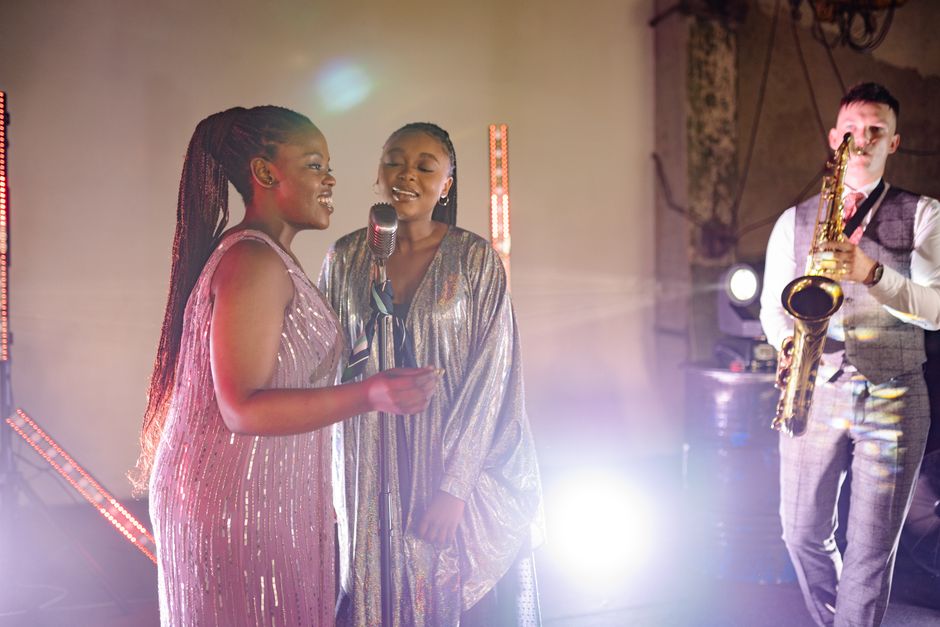
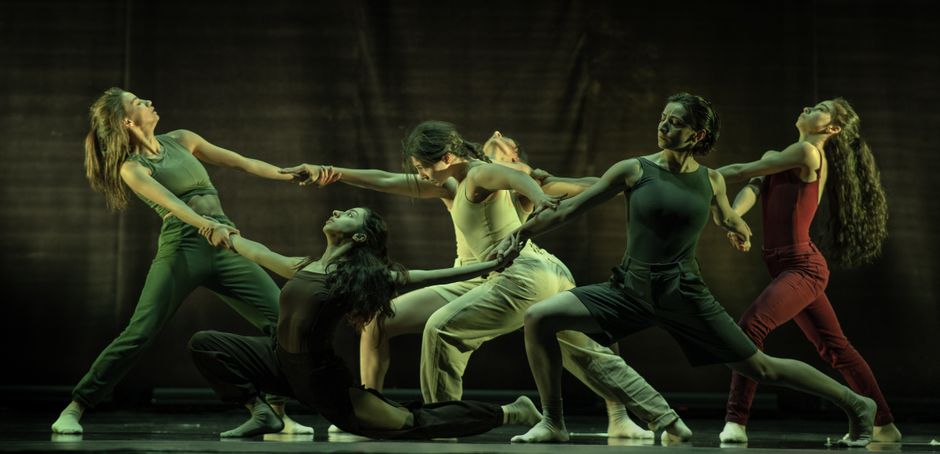
The relationship between music and jazz dance performance is foundational, shaping how dancers move, interpret rhythm, and express themselves on stage. Music is not merely a background element but an active partner that informs timing, dynamics, and emotional tone. In jazz dance, the interplay between sound and movement creates a dialogue where each informs the other, allowing for nuanced performances that resonate with audiences.
Understanding musical structures such as syncopation, swing, and improvisation enables dancers to move with greater intention and clarity. This article examines how jazz dancers interpret these musical elements and how musical awareness can enhance stage presence and expression. It also considers the role of training environments like Rhythm Studio in developing these skills.
By exploring the connections between music and movement, we can appreciate the depth and complexity of jazz dance as an art form. The discussion focuses on process and interpretation rather than prescribed outcomes, acknowledging that each dancer’s journey is unique.
Syncopation: Accenting the Offbeat
Syncopation is a rhythmic device where emphasis is placed on normally weak beats or offbeats, creating a sense of surprise and tension. In jazz dance, syncopation allows dancers to break away from predictable patterns, adding texture and dynamism to their movements. Dancers often use syncopated steps to highlight specific musical accents, such as a drum hit or a horn stab, thereby synchronizing their bodies with the intricate layers of jazz music.
Interpreting syncopation requires a keen sense of timing and an ability to anticipate rhythmic shifts. Dancers train their ears to identify syncopated figures within a musical phrase and translate them into movement that mirrors the music’s complexity. This process involves not only technical precision but also a creative choice in how to embody the rhythm—whether through sharp isolations, fluid transitions, or playful gestures.
In performance, syncopation can create moments of suspense and release, drawing the audience’s attention to specific interactions between sound and motion. When dancers internalize syncopated rhythms, they can respond spontaneously to live music, making each performance unique. This responsiveness is a hallmark of jazz dance, where the music and movement are in constant conversation.
Swing: The Pulse of Jazz
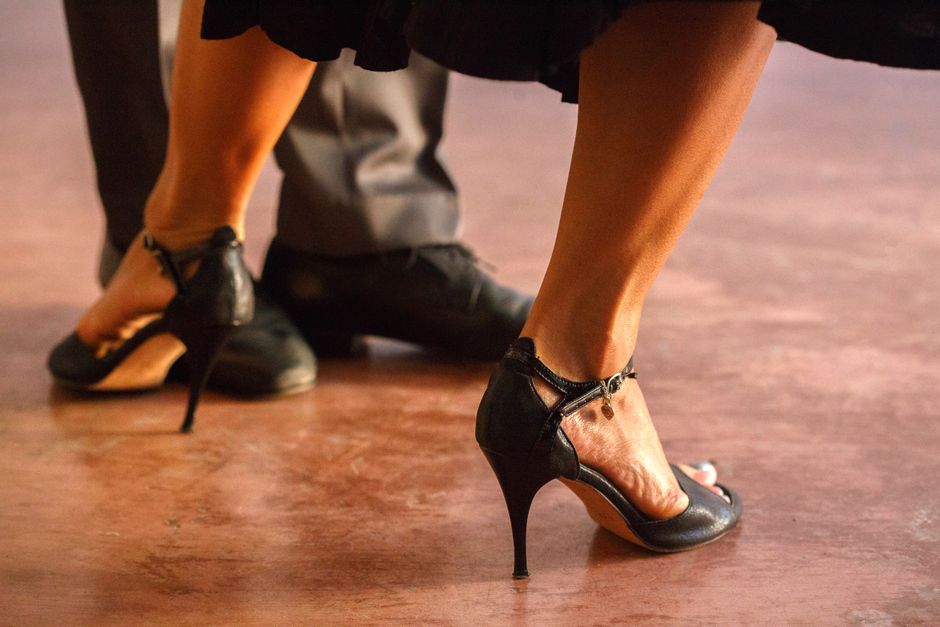
Swing is a rhythmic feel that underpins much of jazz music, characterized by a propulsive, lilting groove. It arises from the interplay of a steady pulse and a subtle unevenness in the subdivision of beats, often described as a triplet feel. In jazz dance, swing manifests as a continuous, buoyant motion that reflects the music’s momentum. Dancers embody swing through a grounded yet elastic quality, where movements flow with a sense of ease and vitality.
Interpreting swing involves more than just stepping on the beat; it requires capturing the music’s inherent bounce and forward drive. Dancers often use their entire bodies to express swing, from the articulation of the spine to the articulation of the feet. The goal is to create a visual representation of the rhythmic propulsion, making the audience feel the music through the dancer’s motion.
Different styles of jazz dance may emphasize various aspects of swing. For example, Broadway jazz might highlight a theatrical, exaggerated swing, while contemporary jazz might incorporate a more subtle, internalized sense of swing. Regardless of style, a strong connection to swing enhances a dancer’s musicality and stage presence, as it demonstrates an embodied understanding of the music’s core rhythm.
Improvisation: Spontaneous Expression
Improvisation is a cornerstone of jazz, both in music and dance. It involves creating movement spontaneously in response to the music, often within a given structure or set of guidelines. In jazz dance, improvisation allows performers to showcase their individuality and creativity, making each performance a unique event. Dancers draw on their training, musical knowledge, and emotional state to generate movement that is both coherent and surprising.
When improvising, dancers must listen closely to the music, picking up on cues from the rhythm section, soloists, and even the audience. They may choose to mirror a melodic line, contrast a rhythmic pattern, or engage in a call-and-response with a musician. This requires a high level of musical awareness and the ability to make quick decisions in the moment.
Improvisation also fosters a deeper connection between dancers and musicians. In many jazz performances, there is a sense of mutual exchange, where dancers and musicians inspire each other. This collaborative spirit is central to the art form, and it can lead to moments of transcendence that neither party could have planned. For dancers, developing improvisational skills often involves practicing with live music and learning to trust their instincts.
Developing Musical Awareness in Jazz Dance Training
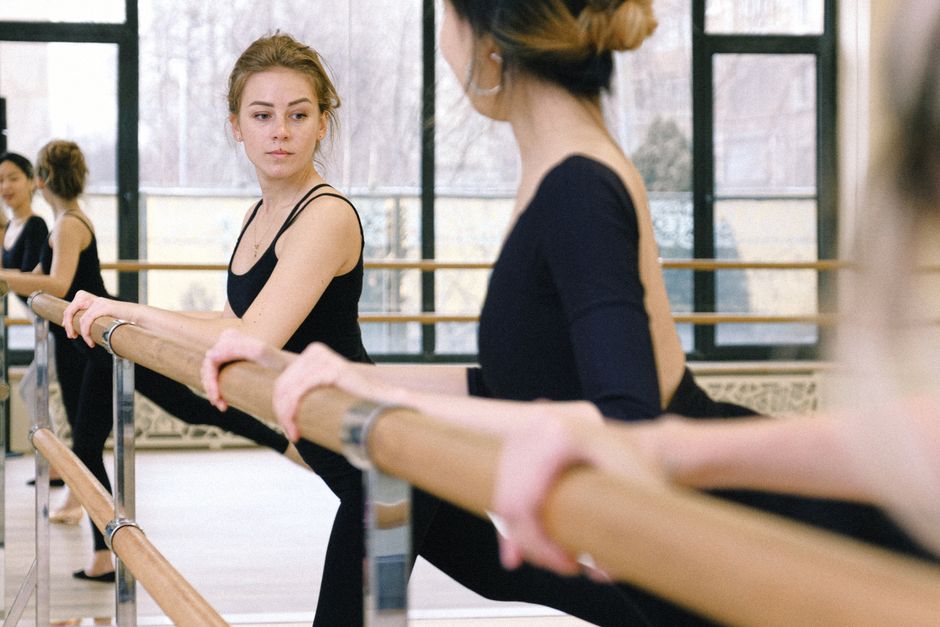
Musical awareness is a skill that can be cultivated through dedicated practice and exposure to various musical styles. Dancers can enhance their musicality by studying music theory, listening to different jazz genres, and collaborating with musicians. Training programs that integrate music education with dance technique help dancers internalize rhythmic concepts and apply them in performance.
At Rhythm Studio, for instance, dancers might engage in exercises that involve clapping rhythms, singing melodies, or analyzing song structures. These activities build a deeper understanding of how music is constructed, which in turn informs how dancers interpret it. Additionally, dancing to live music provides invaluable experience in responding to real-time musical nuances.
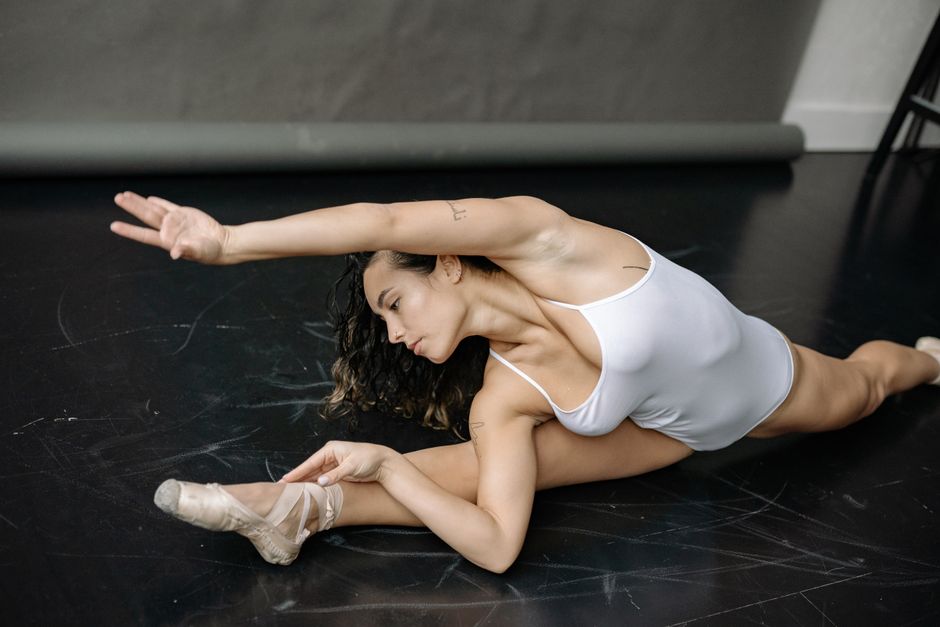
Another approach is to practice marking movements while focusing on the music, rather than on technical execution. This allows dancers to prioritize musicality and expression, which can later be integrated into full-out performance. Over time, this practice can lead to a more intuitive and embodied sense of rhythm. It is important to note that progress varies among individuals and depends on consistent effort and guidance from skilled instructors.
Furthermore, watching recordings of accomplished jazz dancers and musicians can provide insight into effective interpretation. Observing how others navigate syncopation, swing, and improvisation can inspire dancers to experiment with their own approaches. However, it is essential to remember that imitation is only a starting point; true artistry comes from personal exploration and authenticity.
The Impact of Musical Awareness on Stage Presence and Expression
When dancers are deeply attuned to the music, their stage presence becomes more compelling. They move with confidence and intention, projecting a sense of ease and authority that captivates audiences. Musical awareness enables dancers to make nuanced choices in dynamics, timing, and phrasing, which can elevate a performance from technical proficiency to artistic expression.
Moreover, a strong connection to music allows dancers to convey emotion more effectively. They can use the music’s mood and structure to inform their facial expressions, body language, and interactions with other dancers. This holistic approach creates a richer experience for the audience, who are drawn into the performance on multiple levels.
It is important to recognize that stage presence is not solely dependent on musical awareness; factors such as experience, confidence, and performance conditions also play a role. However, developing musicality provides a solid foundation for expressive performance. As dancers continue to refine their skills, they may find that their ability to interpret music becomes a defining aspect of their artistry.
In conclusion, the role of music in jazz dance performance is multifaceted, influencing everything from rhythmic precision to emotional expression. By engaging with syncopation, swing, and improvisation, dancers can deepen their connection to the music and enhance their stage presence. Through consistent training and exploration, they can develop the musical awareness that distinguishes exceptional performances.