Essential Stretches to Prevent Dance Injuries
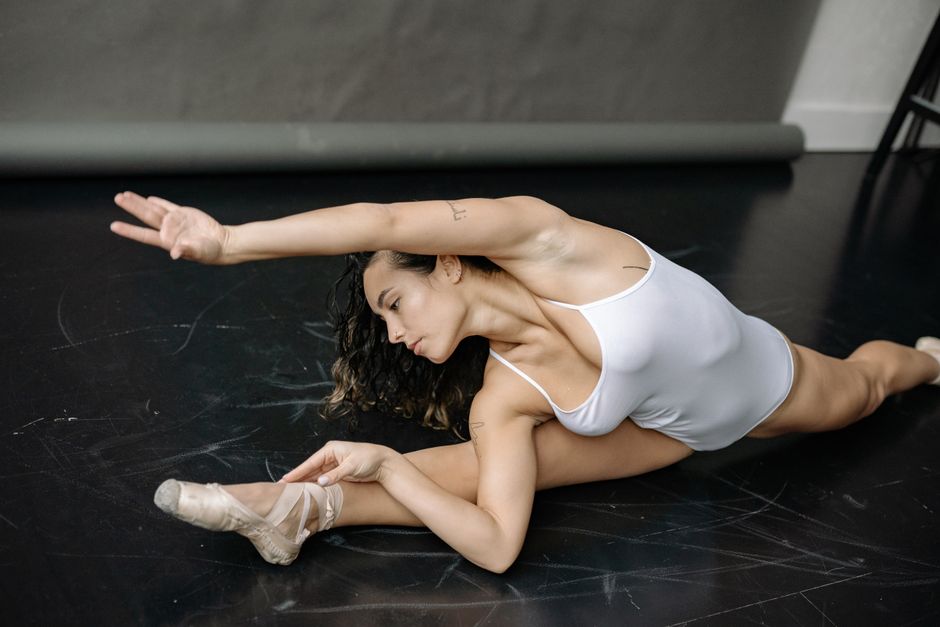
Dance demands a unique combination of strength, flexibility, and control. Dancers often perform movements that require extreme ranges of motion, such as high kicks, deep lunges, and quick turns. Without proper preparation, these movements can place significant stress on muscles, tendons, and joints, potentially leading to injuries. Incorporating a consistent stretching routine is one way to help the body handle these demands. Stretching can improve flexibility, enhance muscle coordination, and prepare the body for the specific movements of dance.
There are two main types of stretching that are relevant for dancers: dynamic and static. Dynamic stretches involve active movements that take a joint through its full range of motion, while static stretches involve holding a position for a period of time. Both have their place in a dancer’s routine, but they are typically used at different times. Dynamic stretching is often recommended before dance activities to warm up the body and activate the muscles. Static stretching is generally more suited for after dance or as a separate flexibility session, when the muscles are warm and can safely be lengthened.
This article explores essential stretches that target muscle groups commonly used in dance. It covers dynamic and static options, along with guidelines for incorporating them into a warm-up or cool-down. The goal is to provide a framework that may help reduce the risk of injury and support overall flexibility. However, individual responses to stretching can vary, and it is always advisable to consult with a qualified instructor or healthcare professional to tailor a routine to specific needs and conditions.
Understanding the Role of Stretching in Dance Injury Prevention
Injury prevention in dance is multifaceted. It involves proper technique, adequate rest, nutrition, and a well-structured conditioning program. Stretching is one component of this program. When performed correctly, stretching can help maintain or improve the elasticity of muscles and connective tissues, allowing them to better tolerate the forces encountered during dance. It can also enhance proprioception, the body’s awareness of its position in space, which is crucial for balance and controlled movement.
However, stretching alone does not guarantee freedom from injury. Injuries can result from factors such as overtraining, fatigue, improper alignment, or sudden increases in intensity. Therefore, stretching should be part of a broader approach that includes strength training, cardiovascular conditioning, and gradual progression. Additionally, the type of stretching and its timing matter. For example, prolonged static stretching immediately before explosive activities may temporarily reduce power output, so it is often advised to perform dynamic stretches before dance and save static stretches for afterward.
Dancers should also consider their individual anatomy and any pre-existing conditions. Some dancers may have naturally greater flexibility, while others may need to work more on certain areas. A one-size-fits-all approach is not ideal. Working with a professional who understands dance medicine can help identify specific areas of tightness or weakness and design a stretching plan that addresses those needs without causing harm.
Dynamic Stretches for the Warm-Up
Dynamic stretches are active movements that move joints through their full range of motion. They are designed to increase blood flow, raise muscle temperature, and prepare the nervous system for activity. Unlike static stretching, dynamic stretches do not involve holding a position; instead, they are performed in a controlled, repetitive manner. This makes them ideal for a pre-dance warm-up. A typical dynamic warm-up might include movements that mimic dance actions but at a lower intensity.
Here are some dynamic stretches that target dancer-specific muscle groups:
- Leg swings (front-to-back and side-to-side): These target the hip flexors, hamstrings, and adductors. Stand tall, hold onto a support, and swing one leg forward and backward in a controlled manner, then switch to side-to-side swings. Perform 10–12 repetitions per leg.
- Arm circles: These target the shoulders and upper back. Extend arms to the sides and make small circles, gradually increasing the size. Perform 10 circles in each direction.
- Torso twists: These target the spine and obliques. Stand with feet shoulder-width apart, arms extended, and gently rotate the torso side to side, allowing the arms to follow. Perform 10–12 twists.
- Walking lunges with a twist: These target the hips, quadriceps, and core. Step forward into a lunge, then twist the torso over the front leg. Alternate legs for 10–12 steps.
- Ankle mobilizations: These target the ankles and calves. Point and flex the feet, then rotate the ankles in circles. Perform 10 circles per ankle in each direction.
Dynamic stretches should be performed after a light aerobic warm-up, such as jogging or skipping, to further increase blood flow. The entire dynamic routine can take 5–10 minutes, depending on the number of exercises. It is important to move smoothly and avoid jerky or forced movements. The goal is to warm up, not to fatigue the muscles.
Static Stretches for the Cool-Down
Static stretches involve holding a position for a period of time, typically 15–60 seconds. They are best performed after dance when the muscles are warm and more pliable. Static stretching can help reduce muscle soreness, improve flexibility, and promote relaxation. For dancers, it is important to target the major muscle groups used in dance, including the hamstrings, hip flexors, calves, and shoulders.
Below are some static stretches that can be incorporated into a cool-down routine:
- Hamstring stretch: Sit on the floor with one leg extended and the other bent. Reach toward the extended foot, keeping the back straight. Hold for 20–30 seconds, then switch sides.
- Hip flexor stretch: Kneel on one knee with the other foot forward. Gently push the hips forward until a stretch is felt in the front of the hip. Hold for 20–30 seconds, then switch sides.
- Calf stretch: Stand facing a wall, place one foot back with the heel on the floor, and lean into the wall. Hold for 20–30 seconds, then switch sides.
- Quadriceps stretch: Stand holding onto a support, bend one knee and bring the heel toward the buttocks. Hold for 20–30 seconds, then switch sides.
- Shoulder stretch: Bring one arm across the chest and gently pull it closer with the other arm. Hold for 20–30 seconds, then switch sides.
- Spinal twist: Sit on the floor, cross one leg over the other, and twist the torso toward the bent knee. Hold for 20–30 seconds, then switch sides.
It is crucial to breathe normally during static stretches and avoid bouncing, which can trigger a stretch reflex and increase the risk of injury. Stretching should be felt as a mild tension, not pain. If pain occurs, the stretch should be modified or stopped. Static stretching can be performed daily, but it is not necessary to stretch every muscle group every day. A balanced routine that covers all major areas a few times per week may be sufficient.
Targeting Dancer-Specific Muscle Groups
Dancers often have specific areas of tightness due to the repetitive nature of their movements. For example, ballet dancers may have tight hip flexors from frequent extensions, while contemporary dancers may have tight hamstrings from floor work. Therefore, a stretching routine should be tailored to address these individual needs. However, certain muscle groups are commonly targeted in dance stretching programs.
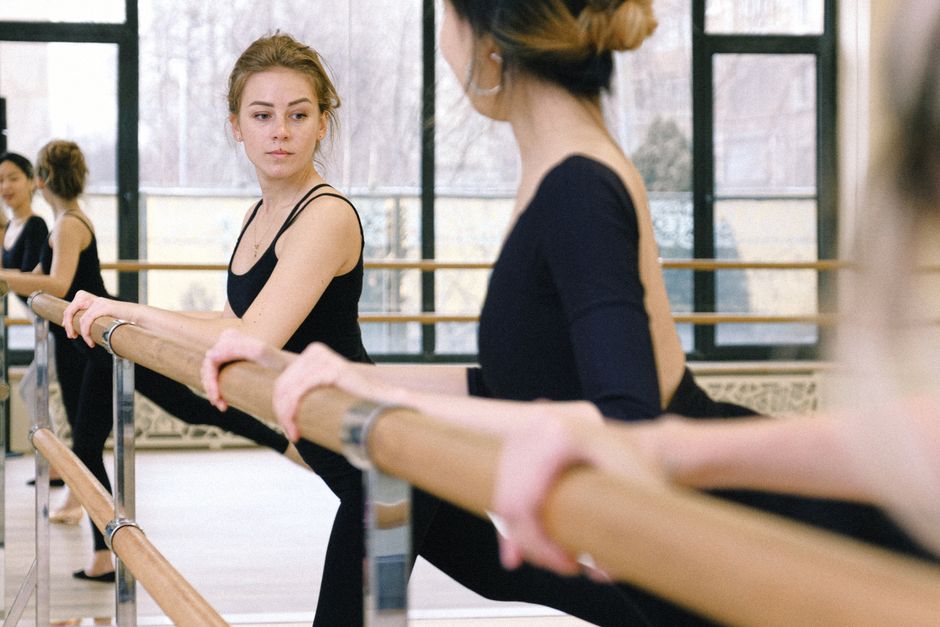
The hip flexors, including the iliopsoas and rectus femoris, are often tight in dancers because of the frequent lifting of the legs. Stretching these muscles can help improve extension and reduce strain on the lower back. The hamstrings are also commonly tight, especially in dancers who perform a lot of forward bends or high kicks. Stretching the hamstrings can help prevent pulls and improve flexibility for extensions. The calves and ankles are crucial for dancers who spend time on demi-pointe or full pointe; stretching these areas can help maintain ankle mobility and reduce the risk of Achilles tendon issues. The shoulders and upper back are important for port de bras and partnering; stretching these can improve range of motion and reduce tension.
In addition to these, dancers should not neglect the adductors (inner thighs), which are used in turnout and lateral movements. Stretching the adductors can help prevent groin strains. The quadratus lumborum in the lower back can also become tight, leading to compensation patterns. A comprehensive routine addresses all these areas, but the emphasis may vary based on dance style and individual needs.
Integrating Stretching into a Dance Routine
To maximize the benefits of stretching, it should be integrated into a dancer’s overall training schedule. A typical session might include a dynamic warm-up before class or rehearsal, followed by static stretching after class or as a separate session. It is also helpful to include some dynamic movements in the cool-down to gradually bring the heart rate down. Dancers should aim for consistency; stretching a few times per week is generally more effective than sporadic intense sessions.
When designing a stretching routine, consider the following guidelines:
- Warm up before stretching: Never stretch cold muscles. A light aerobic activity for 5–10 minutes can increase blood flow and muscle temperature.
- Focus on dynamic stretches before dance: These prepare the body for movement and can improve performance.
- Perform static stretches after dance: This is when muscles are warm and receptive to lengthening.
- Hold static stretches for 15–60 seconds: Longer holds may be beneficial for certain areas, but avoid holding beyond the point of discomfort.
- Breathe normally: Do not hold your breath; use slow, steady breaths to help relax into the stretch.
- Be consistent: Stretching regularly, even for short periods, is more effective than occasional long sessions.
- Listen to your body: If a stretch causes pain, stop and reassess. Consult a professional if pain persists.
At Rhythm Studio, instructors often emphasize the importance of a balanced approach to training, including proper warm-up and cool-down. While stretching is a valuable tool, it should be combined with strength work and technical practice to support overall dance performance.
Safety Considerations and Professional Guidance
While stretching is generally safe for most individuals, there are situations where caution is warranted. Dancers with hypermobility, a condition where joints move beyond the normal range, may need to focus more on stability than on increasing flexibility. Overstretching can lead to joint instability and injury. Similarly, dancers recovering from an injury should follow a rehabilitation protocol designed by a healthcare professional, which may include specific stretching exercises.
It is also important to recognize that flexibility is not the only goal. Dancers need a balance of flexibility and strength to control their movements. Stretching should not be used as a substitute for strength training. In fact, strengthening the muscles around a joint can help protect it during extreme ranges of motion. Therefore, a well-rounded conditioning program includes both stretching and strengthening exercises.
Finally, individual responses to stretching vary. Some dancers may see rapid improvements in flexibility, while others may progress more slowly. Genetics, age, and training history all play a role. Patience and consistency are key. If a dancer experiences persistent pain or discomfort, it is advisable to seek guidance from a qualified professional, such as a physical therapist or a dance medicine specialist.