Understanding Ballet Basics for Adult Beginners
Ballet is a classical dance form known for its precise movements, elegant lines, and structured technique. For adults who are new to ballet, the journey begins with understanding fundamental positions, barre work, and posture alignment. These elements form the foundation upon which all ballet movements are built. While children often start ballet at a young age, adults can also learn and enjoy ballet, often with a focus on safe practice and gradual progression.
This article provides an overview of ballet basics tailored for adult beginners. It explores the five basic positions of the feet, the role of barre exercises, and the importance of posture alignment. The information presented here is intended to offer context and general guidance, not as a substitute for professional instruction. Each individual’s experience may vary based on factors such as prior movement experience, physical condition, and the quality of instruction received.
Approaching ballet as an adult beginner can be a rewarding experience when approached with patience and a focus on proper technique. It is important to recognize that progress in ballet is influenced by consistent practice, individual physical capabilities, and the guidance of qualified teachers. The following sections outline key concepts that can help adults build a strong foundation safely.
The Five Basic Positions of the Feet
In ballet, all movements originate from or pass through one of the five basic positions of the feet. These positions are foundational and are typically introduced in the first few classes. Each position involves a specific rotation of the legs from the hip joint, known as turn-out. Turn-out is a hallmark of ballet technique and requires gradual development to avoid strain. Adult beginners should approach turn-out with caution, as forcing the rotation can lead to injury. Instead, the focus should be on engaging the muscles correctly and respecting the body’s current range of motion.
The first position involves heels together and toes turned outward, forming a straight line. The second position is similar but with the feet placed apart, approximately shoulder-width distance. Third position places one foot in front of the other, with the heel of the front foot touching the arch of the back foot. Fourth position is similar to third but with a greater distance between the feet, and fifth position has the feet crossed so that the heel of the front foot is touching the toe of the back foot. Each position challenges balance and coordination, and adult beginners may find that their turn-out is limited initially. This is normal, and with consistent practice, flexibility and strength can improve over time.
When practicing these positions, it is advisable to work with a qualified instructor who can provide feedback on alignment and muscle engagement. Many adult beginners find that using a mirror and receiving verbal cues helps them understand the nuances of each position. It is also important to note that the depth of the positions may vary based on individual anatomy and flexibility. Pushing beyond one’s comfortable range can increase the risk of injury, so a gradual approach is generally recommended.
Barre Work: Building Strength and Stability
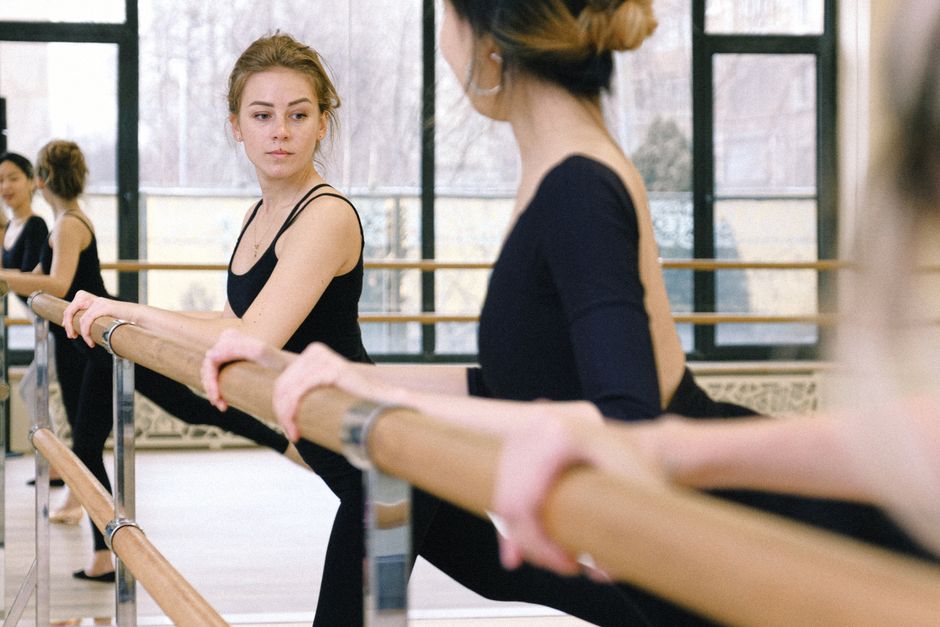
Barre work is a central component of ballet training, especially for beginners. The barre is a stationary handrail that provides support for balance while performing exercises. Barre exercises are designed to develop strength, flexibility, and proper alignment. For adult beginners, barre work offers a safe way to learn the basic movements without the added challenge of balancing in the center of the room. The barre serves as a tool for proprioception, helping dancers feel the correct placement of their bodies.
Typical barre exercises include pliés, tendus, dégagés, rond de jambe, and grands battements. Pliés involve bending the knees while maintaining turn-out and an upright posture. Tendus extend the foot along the floor, working the muscles of the leg and foot. Dégagés are similar but with the foot leaving the floor. Rond de jambe circles the leg on the floor or in the air, and grands battements are large kicks that challenge strength and flexibility. These exercises are usually performed in a specific order, starting with slower movements to warm up the muscles and progressing to faster, more dynamic ones.
Adult beginners should focus on executing each exercise with control and precision rather than attempting to achieve a large range of motion. The goal is to build a foundation of strength and correct muscle memory. It is common for adult beginners to experience muscle soreness after barre work, especially in the early stages. This is generally a sign of muscles adapting to new demands, but persistent pain should be evaluated by a medical professional. Consistency in practicing barre exercises can lead to improved stability and grace over time, though individual results will vary.
Posture Alignment: The Key to Safe Practice
Proper posture alignment is perhaps the most critical element for adult beginners to master. Good posture in ballet involves maintaining a neutral spine, engaging the core muscles, and keeping the shoulders relaxed but stable. The head should be aligned over the spine, and the pelvis should be in a neutral position, neither tucked nor tilted excessively. This alignment allows for efficient movement and reduces the risk of strain on the back and joints. Many adults come to ballet with postural habits from daily life that may need adjustment, such as rounded shoulders or an anterior pelvic tilt.
To develop good posture, beginners can practice simple exercises such as standing against a wall with the back of the head, shoulder blades, and buttocks touching the wall. This helps to sense the correct alignment. In class, teachers often use imagery and hands-on adjustments to guide students. It is important to remember that posture alignment is a dynamic process; it requires constant awareness and adjustment during movement. Over time, with practice, the correct alignment becomes more natural. However, individuals with pre-existing conditions or injuries should consult with healthcare providers before beginning ballet to ensure safety.
Additionally, posture alignment is closely linked to breathing. Holding the breath can create tension, so beginners are encouraged to breathe naturally while maintaining their alignment. The coordination of breath and movement is a skill that develops with practice. While some adult beginners may progress quickly in understanding alignment, others may take longer. This is normal, and patience is key. The information provided here is not a substitute for personalized instruction, and working with a qualified teacher is highly recommended for safe progress.
Safety Considerations and Progression
Adult beginners should approach ballet with a mindset of gradual progression and self-care. The risk of injury can be reduced by warming up properly before class, listening to the body’s signals, and avoiding overexertion. It is also beneficial to cross-train with activities that improve strength and flexibility, such as Pilates or yoga, but this should be done in consultation with a fitness professional. Ballet requires a combination of muscular strength, flexibility, and cardiovascular endurance, so a well-rounded approach to fitness can support ballet training.
Progression in ballet is not linear; there may be periods of rapid improvement followed by plateaus. Factors such as consistency, quality of instruction, and individual physical attributes all play a role. Some adult beginners may find that they can master certain movements quickly, while others may require more time. It is important to set realistic expectations and to focus on personal growth rather than comparison with others. Attending classes at a reputable studio, such as Rhythm Studio, can provide access to structured instruction and a supportive environment. However, the choice of studio and instructor should be based on individual needs and goals.
In conclusion, understanding ballet basics for adult beginners involves learning the five positions, engaging in barre work, and focusing on posture alignment. These elements provide a foundation for safe and enjoyable practice. While progress may vary, a patient and informed approach can help adults appreciate the art of ballet. Always consult with qualified professionals and prioritize safety and well-being.